
- A Watershed Agreement in Healthcare Trade
- Tariff Protection for Price Reforms
- Trump’s Tariff Threats and Trade Tensions
- Protecting Britain’s Vital Export Sector
- Reversing Capital Flight
- Bilateral Relations and Domestic Politics
- Long-Term Strategic Implications and Future Scenarios
Introduction: A Watershed Agreement in Healthcare Trade
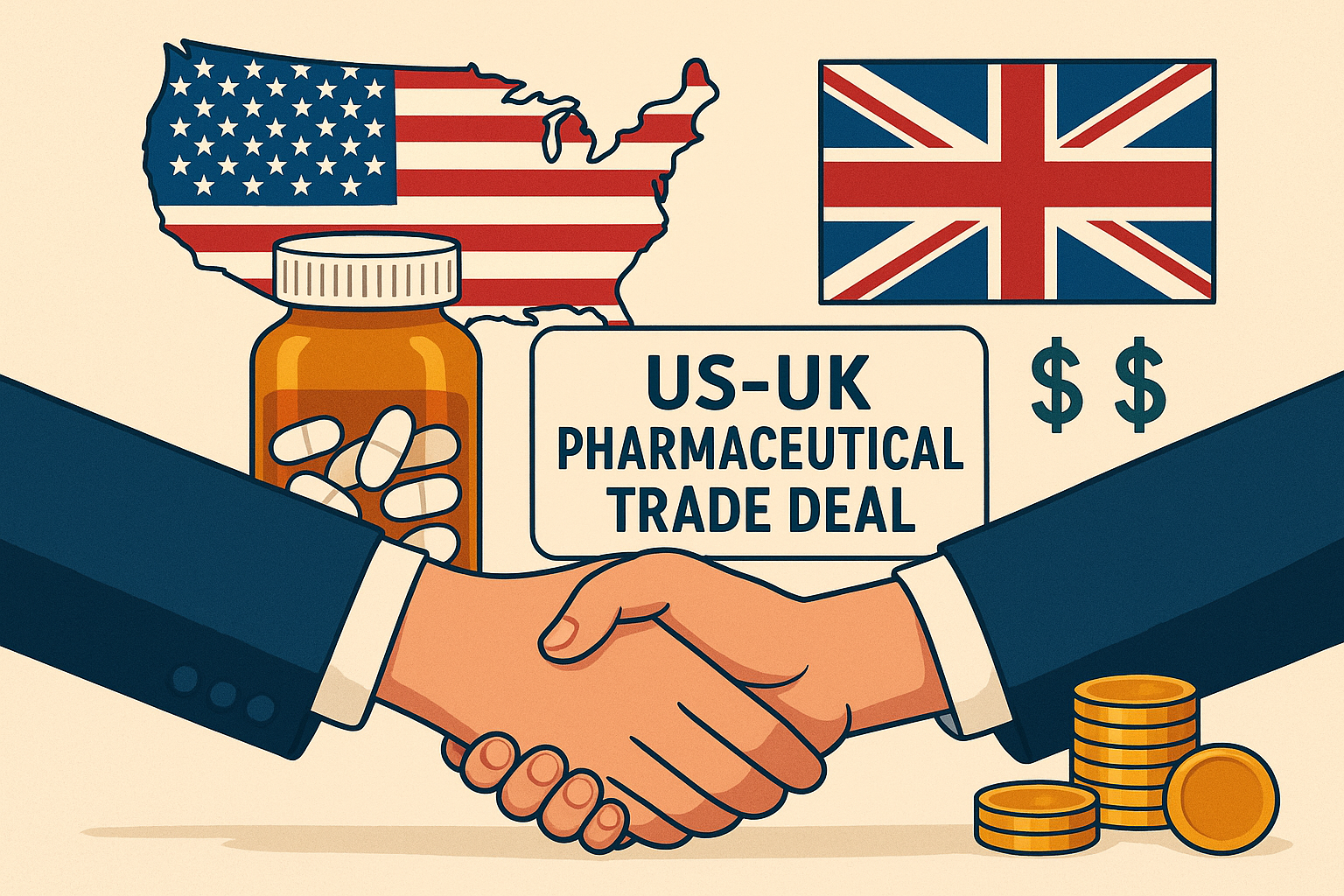
The United States and the United Kingdom have concluded a transformative bilateral agreement. This pact fundamentally alters pharmaceutical trade dynamics between these allied nations. It establishes a three-year framework maintaining zero US import tariffs on British medicinal products. Concurrently, it mandates substantial increases in the United Kingdom National Health Service drug expenditure. This accord emerges amid escalating US threats to impose punitive tariffs on foreign pharmaceuticals. It directly safeguards Britain’s £5 billion annual medicine export pipeline to America. The deal represents a strategic recalibration of global drug pricing and trade policy.
The Core Bargain: Tariff Protection for Price Reforms
The agreement’s central mechanism involves a clear exchange. The United States commits to preserving existing zero-tariff rates on pharmaceutical imports from the United Kingdom. This guarantee extends through a defined thirty-six-month period. It specifically covers finished medicines, active pharmaceutical ingredients, and related products. This provision nullifies previous White House threats of import taxes reaching 100% on branded drugs. Reciprocally, the United Kingdom agrees to significant domestic healthcare financing reforms.
Britain will elevate the cost-effectiveness threshold used by the National Institute for Health and Care Excellence (NICE). This governing body determines which treatments the NHS can fund. The price ceiling for new medicines will increase by twenty-five percent. Furthermore, the UK pledges to double its GDP percentage allocated to pharmaceutical spending. This escalates from 0.3% to 0.6% over the coming decade. A fifteen percent cap will also limit annual pharmaceutical company rebates to the NHS.
Context: Trump’s Tariff Threats and Trade Tensions
This negotiated settlement originates from sustained US trade policy pressure. The Trump administration consistently advocated for aggressive import tariffs across multiple sectors. Pharmaceuticals became a prominent target in recent months. President Trump repeatedly asserted that American consumers unfairly subsidize global medicine costs. He argued that foreign price controls depress international drug prices. This forces US patients and insurers to bear disproportionate research and development costs. In April, the White House initiated a Section 301 investigation. This probe examined whether pharmaceutical imports threatened US national security. By September, President Trump publicly threatened 100% tariffs on selected branded medicines. The UK, as a leading drug exporter, faced particular vulnerability. These developments created urgent uncertainty for British-based multinational firms. Companies like GSK and AstraZeneca required predictable market access to justify UK manufacturing investments.
Economic Stakes: Protecting Britain’s Vital Export Sector
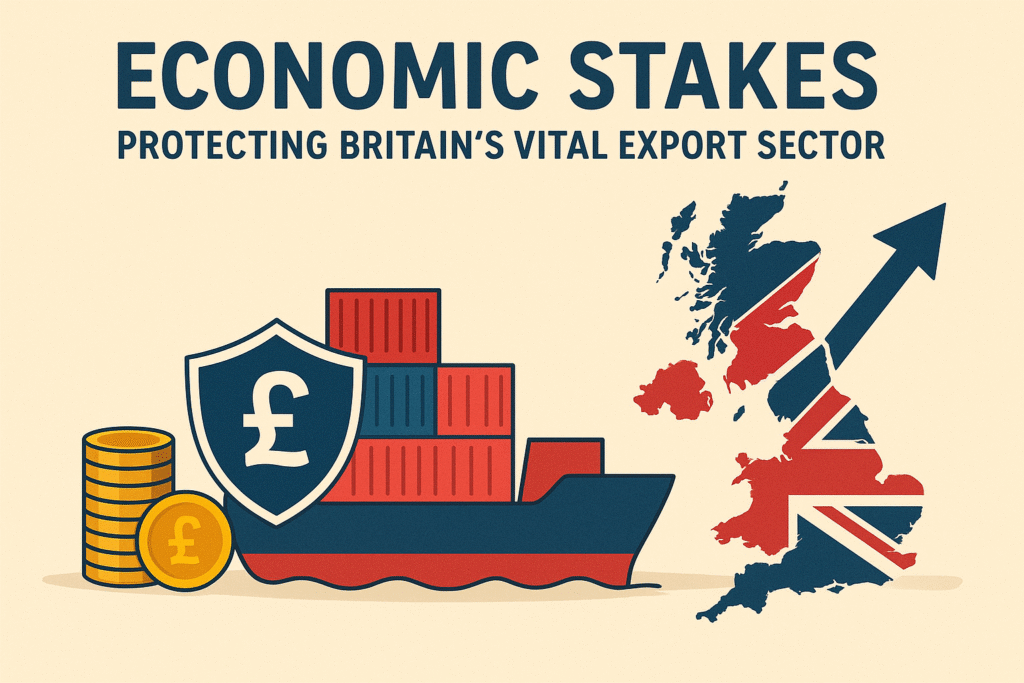
The pharmaceutical sector represents a cornerstone of the United Kingdom’s export economy. Official data from the Department for Business and Trade reveals compelling figures. UK medicine exports to the United States totaled £11.1 billion in the latest twelve-month period. This volume constitutes 17.4% of all British goods exports to American markets. The protected trade flow directly supports tens of thousands of high-skilled UK jobs. It also sustains critical research and manufacturing infrastructure across the nation.
Business and Trade Secretary Peter Kyle explicitly highlighted these benefits. He stated the agreement “guarantees that UK pharmaceutical exports will enter the US tariff-free.” This protection, he noted, is essential for “protecting jobs, boosting investment and paving the way for the UK to become a global hub for life sciences.” The certainty provided by the three-year window allows corporate boards to approve long-term capital expenditure plans within UK facilities.
Investment Crossroads: Reversing Capital Flight
Recent investment patterns demonstrated alarming trends for British policymakers. Several major pharmaceutical companies announced significant strategic pivots toward United States operations. British giant GSK pledged an enormous $30 billion investment in American research and manufacturing. Competitor AstraZeneca revealed a $50 billion US investment plan while pausing a £200 million Cambridge research facility expansion. Merck (known as MSD in Europe) completely cancelled a planned £1 billion UK operations expansion.
These decisions reflected corporate responses to US incentive programs like the Inflation Reduction Act. They also indicated anxiety about potential transatlantic trade barriers. The new tariff agreement serves as a direct countermeasure. It aims to restore the United Kingdom’s competitiveness as a global life sciences investment destination. By securing unfettered access to the world’s largest pharmaceutical market, the deal improves the UK’s value proposition for multinational firms.
Domestic Implications: Transforming NHS Financing
The agreement’s domestic consequences within the United Kingdom are profound. It effectively settles a protracted dispute between the government and the pharmaceutical industry. Health Secretary Wes Streeting previously accused drug manufacturers of attempting to “rip off” the NHS during pricing negotiations. The industry countered that the UK’s cost-control mechanisms stifled innovation and access.
Science Minister Sir Patrick Vallance acknowledged the NHS needed increased medicine spending. He noted its drug expenditure had shrunk as a budget percentage over the previous decade. The deal institutionalizes this spending increase. It moves UK medicine pricing closer to levels long demanded by American trade officials. However, it raises serious questions about future NHS budget sustainability. The increased expenditure must be reconciled with existing pressures on healthcare funding and staffing.
Global Reactions and Comparative Positioning
International responses to this bilateral pact are developing rapidly. European Union officials noted their separate pharmaceutical understanding with the United States. The EU agreement establishes a fifteen percent tariff ceiling rather than a zero-rate guarantee. This potentially gives UK-based companies a measurable competitive advantage within American markets. Other developed nations with significant pharmaceutical exports, like Switzerland and Japan, now face increased US pressure to negotiate similar terms.
The White House explicitly framed this agreement as a template. Spokesman Kush Desai called it a “historic step towards ensuring that other developed countries finally pay their fair share.” This indicates the Biden administration intends to leverage this UK precedent in future negotiations with other allied nations. The deal could initiate a broader recalibration of global pharmaceutical pricing norms.
Industry Analysis: Corporate and Economic Perspectives
Pharmaceutical industry associations have welcomed the agreement’s certainty. The Association of the British Pharmaceutical Industry (ABPI) emphasized the importance of stable trade conditions. They noted that predictable market access is crucial for long-term research investment decisions. William Bain, Head of Trade Policy at the British Chambers of Commerce, stated the deal would “promote exports, boost investment, and enhance UK competitiveness.”
Economic analysts highlight the agreement’s strategic timing. It precedes potential US tariff actions that could have triggered transatlantic trade disputes. By securing exemptions proactively, the UK avoids becoming entangled in broader trade conflicts. The deal also strengthens the UK’s position in ongoing domestic debates about medicine pricing and health technology assessment methodologies.
Political Dimensions: Bilateral Relations and Domestic Politics
Politically, this agreement reinforces the special US-UK economic relationship. It demonstrates continued close cooperation following Brexit. For the UK government, it represents a tangible post-Brexit trade achievement. It shows the ability to negotiate advantageous sector-specific agreements with major partners. Domestically, it allows Conservative ministers to showcase economic diplomacy, protecting key industries.
In the United States, the deal allows the administration to claim progress on a persistent trade grievance. It achieves a policy objective regarding international drug pricing without requiring congressional approval. The agreement also mitigates risks of drug shortages or price spikes that could have resulted from disruptive tariffs. This balances trade objectives with healthcare market stability considerations.
Implementation Timeline and Monitoring Mechanisms
The agreement features specific implementation phases. The zero-tariff provisions take effect immediately upon signing. The UK’s increased NHS spending commitments will follow a graduated timeline. The price threshold adjustment occurs within the next fiscal year. The GDP spending targets extend across a ten-year horizon. A joint US-UK monitoring committee will oversee implementation.
This committee will meet biannually to review compliance. It will assess tariff application, NHS spending data, and investment patterns. The agreement includes provisions for consultations if either party believes the other is not fulfilling commitments. However, it lacks specific financial penalties for non-compliance, relying instead on diplomatic resolution.
Long-Term Strategic Implications and Future Scenarios
This three-year agreement establishes an important precedent. It formally links international market access to domestic pharmaceutical pricing policies. This connection may become a standard feature of future US trade negotiations. For the UK, the deal provides breathing space to strengthen its life sciences sector. The government hopes this will attract sufficient investment to justify the increased NHS spending.
Several future scenarios are possible. The agreement could be extended beyond three years if both parties remain satisfied. It could expand to cover medical devices and diagnostics. Alternatively, failure to increase UK investment could lead US officials to demand further concessions. The deal’s ultimate success will be measured by whether it stimulates genuine UK sector growth, not merely preserves existing trade flows.
Conclusion: A Calculated Exchange with Lasting Consequences
The US-UK pharmaceutical trade agreement represents a calculated strategic exchange. The United Kingdom accepts higher domestic healthcare expenditures to secure vital export market access. The United States achieves a longstanding goal of increasing allied contributions to pharmaceutical innovation costs. The deal provides immediate stability for a crucial British industry. However, it commits the NHS to spending increases during a period of severe budgetary constraints.
This pact will influence global pharmaceutical trade for years. It establishes a new linkage between trade policy and health financing. Other nations will carefully study its effects on drug prices, innovation, and investment. The agreement’s true legacy will be determined by whether it fosters a more sustainable global model for financing medical innovation. It must balance fair pricing with continued breakthroughs in treatments for patients worldwide. The coming three years will provide critical evidence about whether this balance has been achieved.

Naughty vixen eager to share her nude pics. Here — https://rb.gy/8rrwju?Hiewiva