Blog

  • Oppo Reno Premium 5G Launched: 220MP Pro Camera, 12GB RAM at Just ₹11,999

    Oppo Reno Premium 5G Launched: 220MP Pro Camera, 12GB RAM at Just ₹11,999

    • 220MP DSLR-Level Pro Camera
    • 12GB RAM with 256GB Storage
    • Curved AMOLED Display
    • 120W SUPERVOOC Fast Charging
    • Dolby Atmos Audio Experience
    • Premium Glass & Metal Design
    • 5G Performance & Gaming Ready
    • Clean ColorOS Software
    • Unbeatable ₹11,999 Price
    • Perfect for Creators & Gamers

    The smartphone landscape has been redefined with the launch of the Oppo Reno Premium 5G in India. Priced at an astonishing ₹11,999, it packs flagship-level specifications that rival devices costing significantly more. This launch represents a strategic shift, bringing professional-grade photography and powerhouse performance to the budget segment.

    Oppo has engineered this device to cater to the demands of modern, multifaceted users. It seamlessly blends high-end camera technology with robust gaming capabilities and all-day productivity. The Reno Premium 5G is positioned not just as a smartphone, but as a comprehensive digital tool for creators, gamers, and professionals.

    Unmatched Imaging with 220MP DSLR-Level Camera

    The centerpiece of the Reno Premium 5G is its revolutionary 220MP primary camera system. This sensor captures an extraordinary level of detail, allowing for significant digital zoom and cropping without quality loss. Photographs exhibit stunning clarity, vibrant color accuracy, and impressive dynamic range in various lighting conditions.

    Advanced computational photography and AI algorithms enhance every shot automatically. The camera excels in low-light environments, producing bright, clear images with minimal noise. For content creators, this system offers a portable studio, enabling professional-grade photography and videography without heavy equipment.

    Extreme close-up macro shot of the Oppo Reno Premium 5G's circular camera island, highlighting the large 220MP primary lens and two supporting sensors.
    Fig 2: The prominent 220MP primary lens is the centerpiece of the Reno Premium 5G’s professional-grade imaging system.

    Powerhouse Performance with 12GB RAM & 256GB Storage

    At its core, the device is fueled by a robust 5G-enabled processor paired with a massive 12GB of RAM. This combination ensures buttery-smooth multitasking, allowing users to switch between demanding apps, games, and workflows seamlessly. Lag and slowdowns are effectively eliminated, even during intensive usage.

    The generous 256GB of internal UFS storage provides ample space for a vast library of 4K videos, high-resolution photos, apps, and games. Users can store their entire digital life without worrying about constant file management. This makes the phone ideal for those who capture and consume large amounts of media daily.

    Immersive Curved AMOLED Display & Dolby Audio

    Visual immersion is delivered through a stunning curved AMOLED display. It offers deep blacks, vibrant colors, and excellent brightness for outdoor visibility. The high refresh rate ensures ultra-smooth scrolling and responsive touch interactions, enhancing everything from gaming to social media browsing.

    The audio experience is elevated with Dolby Atmos-tuned stereo speakers. They provide rich, spatial sound with clear highs and deep bass, whether for movie playback, gaming, or music. Coupled with the brilliant display, it creates a captivating multimedia environment that rivals dedicated entertainment devices.

    Blazing-Fast 120W SUPERVOOC Charging

    A large-capacity battery powers the Reno Premium 5G, designed to last through a full day of heavy use. The true game-changer is the inclusion of 120W SUPERVOOC fast charging technology. This system can charge the phone from zero to full in a remarkably short time, often under 30 minutes.

    This feature effectively eliminates battery anxiety, offering hours of power from just minutes of charging. It is perfect for users with dynamic schedules, ensuring the device is always ready to perform. The combination of long endurance and ultra-fast charging is a standout advantage.

    Oppo Reno Premium 5G connected to the large 120W SUPERVOOC charger, with its screen showing a rapid charging animation and increasing battery percentage.
    Fig 3: The included 120W SUPERVOOC charger can power the Reno Premium 5G from zero to full in under 30 minutes.

    Premium Design and Build Quality

    Despite its accessible price, the Reno Premium 5G sports a design language synonymous with flagship phones. It features a sleek glass sandwich construction with a gracefully curved frame that ensures a comfortable, secure grip. The attention to detail in the finish and ergonomics is immediately apparent.

    The minimalist aesthetic, complemented by a sophisticated color palette, gives the phone a premium in-hand feel. The build quality challenges the notion that budget devices must compromise on design, offering a look and feel that is both elegant and durable.

    Software, Connectivity, and User Experience

    The phone runs on a clean, feature-rich version of ColorOS, optimized for performance and efficiency. It is bloatware-free, offering a smooth and intuitive user interface with thoughtful customizations. Regular security updates and OS upgrades are part of the package, ensuring longevity.

    Connectivity is future-proofed with support for multiple 5G bands, ensuring high-speed data access. Latest-generation Wi-Fi, Bluetooth, and precise GPS modules guarantee fast and reliable connections for all needs, from gaming to navigation.

    A young professional using the Oppo Reno Premium 5G to take a photo in a modern café, highlighting its camera use and premium design in a real-life setting.
    Fig 4: The Oppo Reno Premium 5G excels in real-world usage, perfect for content creation, multimedia, and productivity on the go.

    Market Impact and Final Verdict

    The Oppo Reno Premium 5G, at ₹11,999, disrupts the established price-to-performance hierarchy. It delivers a suite of features, a 220MP camera, 12GB RAM, and 120W charging—that were previously exclusive to the premium mid-range and flagship segments. This launch forces competitors to reevaluate their offerings in the budget space.

    For the consumer, it represents unprecedented value. It is the ideal choice for anyone seeking a no-compromise smartphone that excels in photography, performance, and design without requiring a premium investment. The Oppo Reno Premium 5G isn’t just a new phone; it’s a new benchmark for what an affordable flagship can achieve in 2025.

    “If you prefer to read in Urdu, check out our Urdu version.”

    https://www.goshywrites.click/2025/12/oppo-reno-premium-5g.html

    READ MORE:

    https://ayeshanarratives.com/what-is-the-top-trends-defining-the-latest-mobile-phones-in-2025/
  • OPPO K13 Turbo 5G – 200MP DSLR Camera & 7800mAh Battery Launches at ₹13,999

    OPPO K13 Turbo 5G – 200MP DSLR Camera & 7800mAh Battery Launches at ₹13,999

    • Premium Design & AMOLED Display
    • Powerful 5G Performance & Software
    • 200MP DSLR-Level Camera System
    • 7800mAh Battery & 120W Fast Charging
    • Ample Storage & Connectivity Features
    • Competitive Pricing & EMI Offers

    OPPO has redefined the mid-range smartphone segment with the launch of the K13 Turbo 5G. This powerhouse device combines a professional-grade 200MP camera with an enormous 7800mAh battery. At an astonishing price of ₹13,999, it delivers a flagship experience for gamers, creators, and power users alike.

    The smartphone industry is witnessing a revolution where premium features are becoming accessible. The OPPO K13 Turbo 5G stands at the forefront of this change. It packs cutting-edge technology typically reserved for high-end models into a remarkably affordable package, setting a new benchmark for value.

    OPPO K13 Turbo 5G: Design and Display Excellence

    The device boasts a premium design with a sleek glass finish and ergonomic curved edges. Its construction offers a comfortable, secure grip while exuding a high-end aesthetic that rivals phones costing twice as much. The attention to detail in the design is immediately noticeable and impressive.

    A stunning AMOLED display serves as the centerpiece of the visual experience. It delivers vibrant colors, deep true blacks, and exceptional brightness levels for outdoor visibility. The high refresh rate ensures buttery-smooth scrolling and ultra-responsive touch interactions during gaming and browsing.

    Minimal bezels and a discrete punch-hole front camera maximize the screen-to-body ratio. This design choice provides an immersive viewing experience for streaming movies and playing graphics-intensive games. The display quality makes every interaction visually engaging and enjoyable.

    Unmatched Performance and Software Experience

    At its core, the K13 Turbo 5G is powered by a robust 5G-enabled processor paired with ample RAM. This combination guarantees seamless multitasking and eliminates lag, even when switching between demanding applications. The performance is consistently smooth and reliable.

    The phone handles heavy gaming titles, video editing apps, and prolonged multitasking sessions with remarkable ease. Advanced cooling technology ensures the device maintains optimal performance without overheating. Users can enjoy extended sessions without any compromise on speed or efficiency.

    OPPO’s clean, intuitive software overlay enhances the user experience further. It is free from excessive bloatware and comes with thoughtful optimizations for both performance and battery life. The interface is responsive, user-friendly, and packed with useful customization options.

    Professional-Grade 200MP DSLR-Level Camera System

    The headline feature is undoubtedly the revolutionary 200MP primary camera. It captures astonishing detail, allowing for extreme cropping without losing clarity. Photos exhibit professional-grade sharpness, dynamic range, and accurate, vibrant colors in every shot.

    Advanced AI processing and sensor technology empower the camera to excel in challenging lighting. Low-light and night photography results are bright, clear, and surprisingly noise-free. The system brings DSLR-like versatility and quality to a smartphone form factor.

    For content creators, the camera supports high-resolution video recording with excellent stabilization. The front camera delivers crisp selfies and clear video calls. This comprehensive system makes the phone an ideal tool for photography enthusiasts and social media creators.

     Macro photography of OPPO K13 Turbo 5G's rear camera module highlighting the large 200MP primary lens, ultra-wide sensor, and macro lens in detail.
    Fig. 2: The 200MP primary camera sensor of the OPPO K13 Turbo 5G, supported by additional lenses, enables professional-grade photography with exceptional detail and clarity.

    Legendary Battery Life with Ultra-Fast Charging

    A massive 7800mAh battery powers the OPPO K13 Turbo 5G, setting a new standard for endurance. It easily delivers two or more days of usage on a single charge for moderate users. Heavy users can enjoy a full day of gaming, streaming, and productivity without anxiety.

    The included 120W SUPERVOOC fast charging technology is a game-changer. It can charge the enormous battery from zero to full in a matter of minutes, not hours. This combination of large capacity and ultra-fast charging effectively eliminates battery anxiety for good.

    Intelligent software management optimizes power consumption across all apps and functions. This synergy between hardware and software ensures that the outstanding battery performance is sustainable. It is the perfect device for travelers, gamers, and busy professionals.

    Ample Storage and Comprehensive Connectivity

    The phone comes with a generous internal storage capacity to house a vast library of apps, games, photos, and 4K videos. Users can store their digital life without constantly worrying about running out of space or needing to manage files obsessively.

    As the name suggests, robust 5G connectivity ensures future-proofed download and streaming speeds. The device also supports the latest Wi-Fi standards, Bluetooth, and precise GPS for all connectivity needs. Call quality and network reception are consistently clear and reliable.

    Enhanced multimedia features like high-quality stereo speakers complement the brilliant AMOLED display. This creates a captivating entertainment platform for watching movies, playing games, and listening to music. The overall media consumption experience is truly immersive.

    Competitive Pricing and Purchase Options

    The OPPO K13 Turbo 5G is strategically priced at just ₹13,999 in the Indian market. This aggressive pricing makes its flagship-level features accessible to a wide audience, offering unparalleled value in its segment. It challenges the notion that premium features require a premium budget.

    To make ownership even easier, attractive EMI options and financing plans are available. Major online retailers frequently offer additional discounts, exchange bonuses, and cashback deals. These offers further enhance the already exceptional value proposition of the device.

    When compared to competitors in the ₹15,000-₹25,000 price range, the K13 Turbo 5G stands out decisively. It offers a superior combination of camera capability, battery capacity, and charging speed that is currently unmatched at this price point.

    OPPO K13 Turbo 5G connected to the 120W fast charger with screen showing rapid battery percentage increase during charging.
    Fig. 3: With 120W SUPERVOOC fast charging, the OPPO K13 Turbo 5G’s large 7800mAh battery can be charged from zero to full in minutes, eliminating battery anxiety.

    Final Verdict: A New Benchmark for Mid-Range Smartphones

    The OPPO K13 Turbo 5G is a revolutionary product that successfully democratizes high-end technology. It proves that exceptional camera performance, all-day battery life, and sleek design need not come with a prohibitive cost, redefining user expectations.

    For the price-conscious power user, gamer, or content creator, this phone is arguably the most compelling choice of 2025. It delivers a holistic premium experience where other brands often compromise on key features like battery or charging speed.

    With the K13 Turbo 5G, OPPO has not just launched another smartphone—it has set a new industry standard. It is a testament to how innovation can make cutting-edge technology accessible, offering a flagship experience that truly lives up to its promises without the flagship price tag.

    “If you prefer to read in Urdu, check out our Urdu version.”

    https://www.goshywrites.click/2025/12/oppo-k13-turbo-5g-200mp-7800mah-120w.html

    SEE MORE:

    https://ayeshanarratives.com/india-mandates-pre-installed-government-cybersecurity-app-on-all-new-smartphones

  • Top 10 Enterprise AI Solutions for Large Businesses in 2025

    Top 10 Enterprise AI Solutions for Large Businesses in 2025

    • Enterprise AI Companies 2025
    • Top 10 AI Solutions for Businesses
    • AI for Large Organizations
    • Custom AI Development Services
    • Generative AI for Enterprises
    • Machine Learning Solutions
    • Business AI Implementation
    • AI Digital Transformation
    • Enterprise Automation AI
    • Predictive Analytics AI
    • Computer Vision Solutions
    • Enterprise Chatbot Development
    • AI Cloud Infrastructure
    • AI Strategy Consulting
    • Data Science for Business
    • AI Ethics and Governance
    • Explainable AI (XAI)
    • Edge AI Computing
    • Responsible AI Practices
    • AI ROI Measurement

    What Defines an Enterprise AI Company?

    An Enterprise AI company develops and deploys artificial intelligence solutions specifically for large organizations. These firms help enterprises harness AI to optimize complex operations, drive innovation, and achieve strategic objectives. Unlike general software developers, they possess deep expertise in data science, advanced algorithm design, and AI ethics. They utilize a range of platforms, including cloud services such as AWS and Google Cloud AI, as well as specialized frameworks, to build solutions that integrate securely with existing enterprise systems.

    Diverse team of AI consultants and business executives collaborating on enterprise AI implementation strategy using interactive digital dashboard in modern office.
    AI consultants and business leaders are discussing enterprise AI strategy and digital transformation roadmap during a strategic planning session.

    Key Benefits of Partnering with an Enterprise AI Firm

    Large organizations often lack the in-house talent or infrastructure to leverage AI fully. Partnering with a specialized firm provides critical advantages. These partners offer proven experience and specialized expertise in complex AI deployment. They provide access to cutting-edge technologies and tools that are costly to maintain internally. This collaboration accelerates innovation and time-to-market for AI initiatives. Enterprises gain scalable, flexible solutions that grow with their needs. Most importantly, a strategic partner ensures AI investments align directly with core business goals for maximum ROI.

    Top 10 Enterprise AI Companies for 2025

    Data scientists and AI developers working on complex neural networks and machine learning algorithms with multiple monitor setup in technology laboratory.
    AI development team working on custom machine learning models and neural network architectures for enterprise business solutions.

    1. Entrans

    Entrans is a premier enterprise AI company offering comprehensive services from data engineering to full-stack product development. They excel in building custom AI-powered solutions, having developed their own sales enablement platform, Thunai. Entrans assists Fortune 500 companies in automating workflows and integrating AI into CI/CD pipelines. Their expertise includes creating robust validation systems and intuitive AI interfaces for enterprise data interaction.

    Key Services: Custom enterprise AI frameworks using TensorFlow and PyTorch. Specialized generative AI models trained on proprietary data. Intelligent enterprise chatbots with advanced NLP. Text-to-visual systems for dynamic data dashboards.

    2. ScienceSoft

    With decades of experience since 1989, ScienceSoft provides robust software development and AI consulting. They serve over 30 industries, implementing AI to reduce project costs and enhance business intelligence. Their solutions drive efficiency and innovation across diverse enterprise functions, from customer service to supply chain management.

    Key Services: Advanced chatbot and conversational AI systems. Predictive analytics engines and AI-powered copilots. Computer vision for fraud detection and image analysis. Industry-specific virtual assistants and AIoT solutions.

    3. Infosys

    Infosys adopts a human-centric approach to AI, blending technical excellence with strong ethical frameworks. They provide strategic consulting to help businesses define their AI roadmap and identify high-impact use cases. Their goal is to enhance decision-making and operational efficiency while ensuring full transparency and trust in AI systems.

    Key Services: AI-powered applications for customer service and HR. Comprehensive suites using machine learning and NLP. Strategic consulting for AI implementation and scaling. Focus on ethical AI and responsible deployment practices.

    4. Accenture

    A global leader, Accenture helps enterprises modernize through AI-driven transformation, including cloud migration for AI readiness. They utilize generative AI to refine predictive models and are pioneering Agentic AI applications. Their focus extends to building the solid data governance foundations essential for enterprise AI success.

    Key Services: Full-scale data transformation to enable AI. Development of tailored AI and predictive analytics solutions. Intelligent automation for finance and retail sectors. Utilization of proprietary platforms like AIP and Accenture Synops.

    5. Markovate

    Markovate delivers AI-driven transformation alongside mobile and cloud development services. They have applied their AI expertise to notable brands, delivering over 300 products worldwide. Their focus is on building scalable, robust AI applications that drive tangible business outcomes and market innovation.

    Key Services: Custom generative AI model development and deployment. End-to-end machine learning solution implementation. Scalable AI application architecture for global use. Emphasis on practical, ROI-focused AI product development.

    6. Intel

    Intel focuses on optimizing AI workloads for peak performance and efficiency across hardware and software. They foster a strong ecosystem with developers and cloud providers. Intel’s solutions are centered on accelerating AI processing from the chip level up, making enterprise AI more accessible and powerful.

    Key Services: High-performance processors and AI accelerators. Optimized software libraries like the oneAPI AI Analytics Toolkit. Tools for efficient AI deployment, management, and scaling. Ecosystem support for enterprise AI development.

    7. SumatoSoft

    SumatoSoft emphasizes delivering highly custom AI solutions tailored to specific business challenges. They leverage machine learning, computer vision, and NLP to enable intelligent automation and deeper data insights. Their approach is designed to improve efficiency and unlock new opportunities for their clients.

    Key Services: Bespoke machine learning and deep learning solutions. Natural Language Processing for text analysis and chatbots. Custom AI applications for automation and optimization. Focus on delivering actionable, data-driven insights.

    8. IntellectSoft

    IntellectSoft guides businesses through the entire AI adoption journey, from initial assessment to deployment. They specialize in using AI to automate processes and improve decision-making. Their expertise covers key AI domains, ensuring solutions are both innovative and practically applicable.

    Key Services: AI readiness assessment and strategic roadmap development. Custom solutions using machine learning and computer vision. Computer vision services for visual inspection and analysis. End-to-end support across the AI development lifecycle.

    9. Deloitte

    Deloitte offers a comprehensive approach to generative AI, addressing strategy, ethics, and organizational change. They help businesses harness generative AI for innovation and efficiency while mitigating risks. Their guidance ensures responsible and strategically aligned AI use across the enterprise.

    Key Services: Identification and prioritization of generative AI use cases. AI governance, data privacy, and bias mitigation frameworks. Strategic consulting for responsible AI adoption. Focus on creating new value through generative technologies.

    10. LeewayHertz

    LeewayHertz specializes in developing custom AI and blockchain-AI solutions for specific industry needs. They guide businesses from initial consulting to final implementation, ensuring strong ROI. Their focus is on delivering practical AI applications that enhance decision-making and operational efficiency.

    Key Services: Custom AI application development with ML and NLP. AI-powered solutions for automation and user experience enhancement. Strategic consulting for AI adoption and integration. Focus on tangible business value and investment return.

    How to Select the Right Enterprise AI Partner

    Clearly articulate your strategic AI objectives before engaging partners. Evaluate the provider’s proven expertise within your specific industry vertical. Assess their technical capabilities and AI technology stack relevance. Prioritize firms with strong commitments to data governance and AI ethics. Examine detailed case studies and client testimonials for proven results. Confirm their ability to scale solutions and offer ongoing collaborative support as your needs evolve.

    Modern enterprise AI dashboard displaying predictive analytics, business intelligence metrics, and automated reporting with advanced data visualization.
    Enterprise AI dashboard showing real-time business analytics, predictive insights, and performance metrics for data-driven decision making.

    Major Enterprise AI Trends for 2025

    Generative AI is automating content creation and accelerating software development. AI-powered automation is handling complex workflows in customer service and IT. Explainable AI (XAI) is becoming crucial for model transparency and regulatory compliance. Edge AI computing enables real-time processing and enhances data security for IoT. Responsible AI governance frameworks are prioritizing ethics, privacy, and risk mitigation.

    Business workflow automation using AI robotics and intelligent process automation systems in modern corporate environment.
    An AI-driven business process automation system streamlining enterprise workflows and operational efficiency.

    Why Partner with a Specialized AI Firm?

    While major cloud platforms provide essential infrastructure, specialized enterprise AI development companies offer critical advantages. They build fully custom solutions aligned with your unique business processes. These firms ensure seamless integration with your existing legacy systems and data architecture. They provide dedicated expertise in navigating complex data privacy and security requirements. Ultimately, a specialized partner transforms your proprietary data into a sustainable competitive moat, driving innovation and efficiency that generic platforms cannot match.

     Senior executives and technology leaders reviewing AI implementation results and return on investment metrics in boardroom setting.
    The corporate leadership team is evaluating AI implementation results and strategic technology investments during an executive review meeting.

    Unlock Your Enterprise’s AI Potential
    The transition to an AI-driven enterprise requires a strategic partner with deep expertise. The right collaboration will transform your data infrastructure, automate core processes, and unlock new avenues for growth. By choosing a partner from this list, you invest in a future where AI is not just a tool, but the backbone of your business intelligence and market leadership.

    READ MORE:

    https://ayeshanarratives.com/10-high-demand-business-ideas-for-2025-your-complete-guide-to-success/
    https://ayeshanarratives.com/stock-market-2025-a-complete-beginners-guide-to-smart-investing/
  • US-UK Forge Historic Zero-Tariff Pharmaceutical Pact, Reshaping Global Medicine Trade and NHS Spending

    US-UK Forge Historic Zero-Tariff Pharmaceutical Pact, Reshaping Global Medicine Trade and NHS Spending

    • A Watershed Agreement in Healthcare Trade
    • Tariff Protection for Price Reforms
    • Trump’s Tariff Threats and Trade Tensions
    • Protecting Britain’s Vital Export Sector
    • Reversing Capital Flight
    • Bilateral Relations and Domestic Politics
    • Long-Term Strategic Implications and Future Scenarios
    A Watershed Agreement in Healthcare Trade
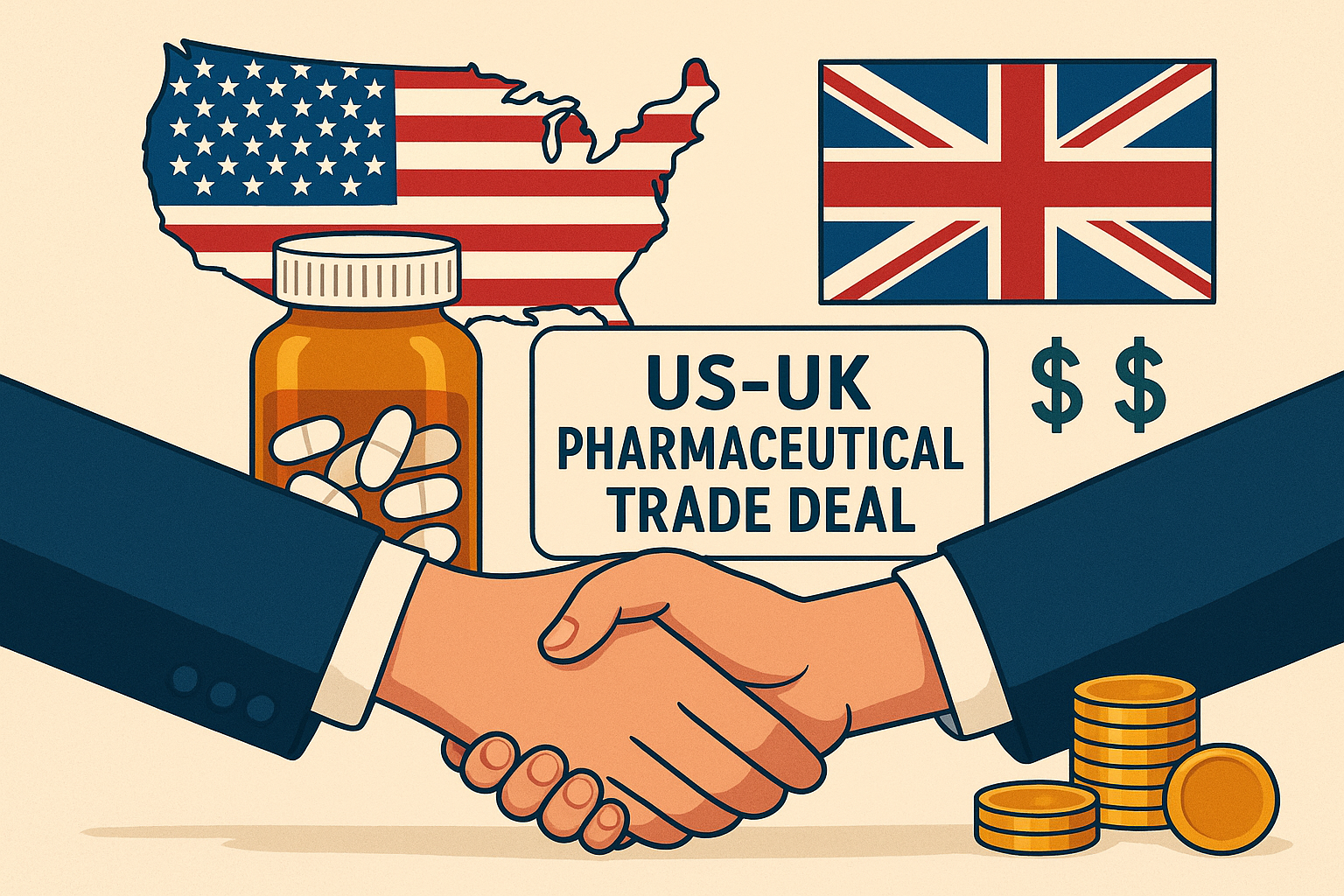
    US-UK Pharmaceutical Trade Deal

    Introduction: A Watershed Agreement in Healthcare Trade

    The United States and the United Kingdom have concluded a transformative bilateral agreement. This pact fundamentally alters pharmaceutical trade dynamics between these allied nations. It establishes a three-year framework maintaining zero US import tariffs on British medicinal products. Concurrently, it mandates substantial increases in the United Kingdom National Health Service drug expenditure. This accord emerges amid escalating US threats to impose punitive tariffs on foreign pharmaceuticals. It directly safeguards Britain’s £5 billion annual medicine export pipeline to America. The deal represents a strategic recalibration of global drug pricing and trade policy.

    The Core Bargain: Tariff Protection for Price Reforms

    The agreement’s central mechanism involves a clear exchange. The United States commits to preserving existing zero-tariff rates on pharmaceutical imports from the United Kingdom. This guarantee extends through a defined thirty-six-month period. It specifically covers finished medicines, active pharmaceutical ingredients, and related products. This provision nullifies previous White House threats of import taxes reaching 100% on branded drugs. Reciprocally, the United Kingdom agrees to significant domestic healthcare financing reforms.

    Britain will elevate the cost-effectiveness threshold used by the National Institute for Health and Care Excellence (NICE). This governing body determines which treatments the NHS can fund. The price ceiling for new medicines will increase by twenty-five percent. Furthermore, the UK pledges to double its GDP percentage allocated to pharmaceutical spending. This escalates from 0.3% to 0.6% over the coming decade. A fifteen percent cap will also limit annual pharmaceutical company rebates to the NHS.

    Context: Trump’s Tariff Threats and Trade Tensions

    This negotiated settlement originates from sustained US trade policy pressure. The Trump administration consistently advocated for aggressive import tariffs across multiple sectors. Pharmaceuticals became a prominent target in recent months. President Trump repeatedly asserted that American consumers unfairly subsidize global medicine costs. He argued that foreign price controls depress international drug prices. This forces US patients and insurers to bear disproportionate research and development costs. In April, the White House initiated a Section 301 investigation. This probe examined whether pharmaceutical imports threatened US national security. By September, President Trump publicly threatened 100% tariffs on selected branded medicines. The UK, as a leading drug exporter, faced particular vulnerability. These developments created urgent uncertainty for British-based multinational firms. Companies like GSK and AstraZeneca required predictable market access to justify UK manufacturing investments.

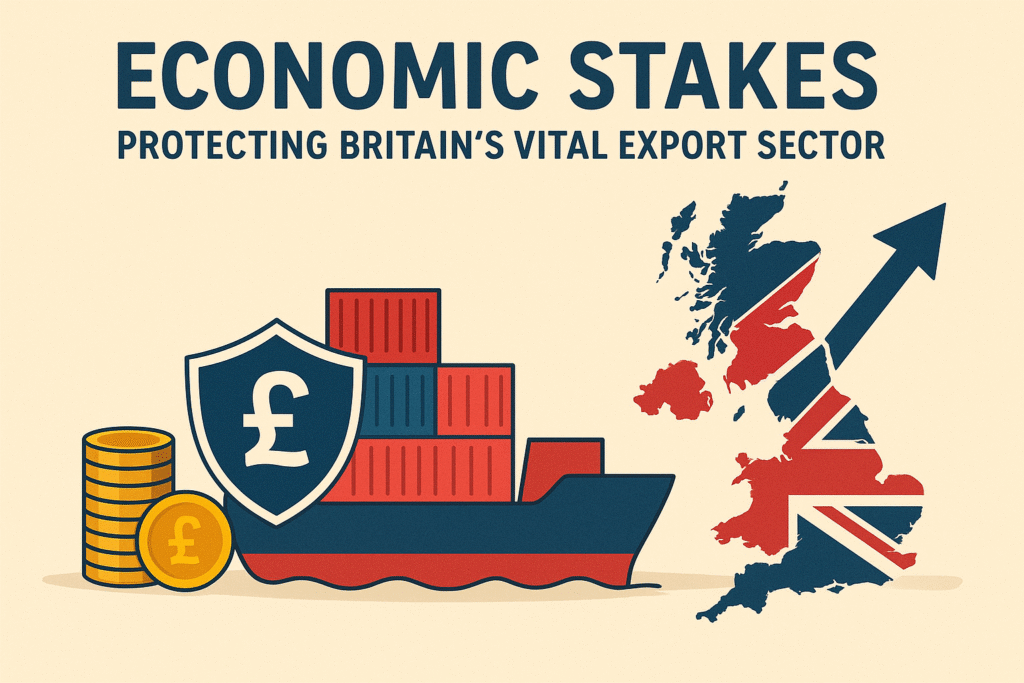
    Economic Stakes: Protecting Britain’s Vital Export Sector

    The pharmaceutical sector represents a cornerstone of the United Kingdom’s export economy. Official data from the Department for Business and Trade reveals compelling figures. UK medicine exports to the United States totaled £11.1 billion in the latest twelve-month period. This volume constitutes 17.4% of all British goods exports to American markets. The protected trade flow directly supports tens of thousands of high-skilled UK jobs. It also sustains critical research and manufacturing infrastructure across the nation.

    Business and Trade Secretary Peter Kyle explicitly highlighted these benefits. He stated the agreement “guarantees that UK pharmaceutical exports will enter the US tariff-free.” This protection, he noted, is essential for “protecting jobs, boosting investment and paving the way for the UK to become a global hub for life sciences.” The certainty provided by the three-year window allows corporate boards to approve long-term capital expenditure plans within UK facilities.

    Economic Stakes: Protecting Britain's Vital Export Sector
    Economic Stakes

    Investment Crossroads: Reversing Capital Flight

    Recent investment patterns demonstrated alarming trends for British policymakers. Several major pharmaceutical companies announced significant strategic pivots toward United States operations. British giant GSK pledged an enormous $30 billion investment in American research and manufacturing. Competitor AstraZeneca revealed a $50 billion US investment plan while pausing a £200 million Cambridge research facility expansion. Merck (known as MSD in Europe) completely cancelled a planned £1 billion UK operations expansion.

    These decisions reflected corporate responses to US incentive programs like the Inflation Reduction Act. They also indicated anxiety about potential transatlantic trade barriers. The new tariff agreement serves as a direct countermeasure. It aims to restore the United Kingdom’s competitiveness as a global life sciences investment destination. By securing unfettered access to the world’s largest pharmaceutical market, the deal improves the UK’s value proposition for multinational firms.

    Domestic Implications: Transforming NHS Financing

    The agreement’s domestic consequences within the United Kingdom are profound. It effectively settles a protracted dispute between the government and the pharmaceutical industry. Health Secretary Wes Streeting previously accused drug manufacturers of attempting to “rip off” the NHS during pricing negotiations. The industry countered that the UK’s cost-control mechanisms stifled innovation and access.

    Science Minister Sir Patrick Vallance acknowledged the NHS needed increased medicine spending. He noted its drug expenditure had shrunk as a budget percentage over the previous decade. The deal institutionalizes this spending increase. It moves UK medicine pricing closer to levels long demanded by American trade officials. However, it raises serious questions about future NHS budget sustainability. The increased expenditure must be reconciled with existing pressures on healthcare funding and staffing.

    Global Reactions and Comparative Positioning

    International responses to this bilateral pact are developing rapidly. European Union officials noted their separate pharmaceutical understanding with the United States. The EU agreement establishes a fifteen percent tariff ceiling rather than a zero-rate guarantee. This potentially gives UK-based companies a measurable competitive advantage within American markets. Other developed nations with significant pharmaceutical exports, like Switzerland and Japan, now face increased US pressure to negotiate similar terms.

    The White House explicitly framed this agreement as a template. Spokesman Kush Desai called it a “historic step towards ensuring that other developed countries finally pay their fair share.” This indicates the Biden administration intends to leverage this UK precedent in future negotiations with other allied nations. The deal could initiate a broader recalibration of global pharmaceutical pricing norms.

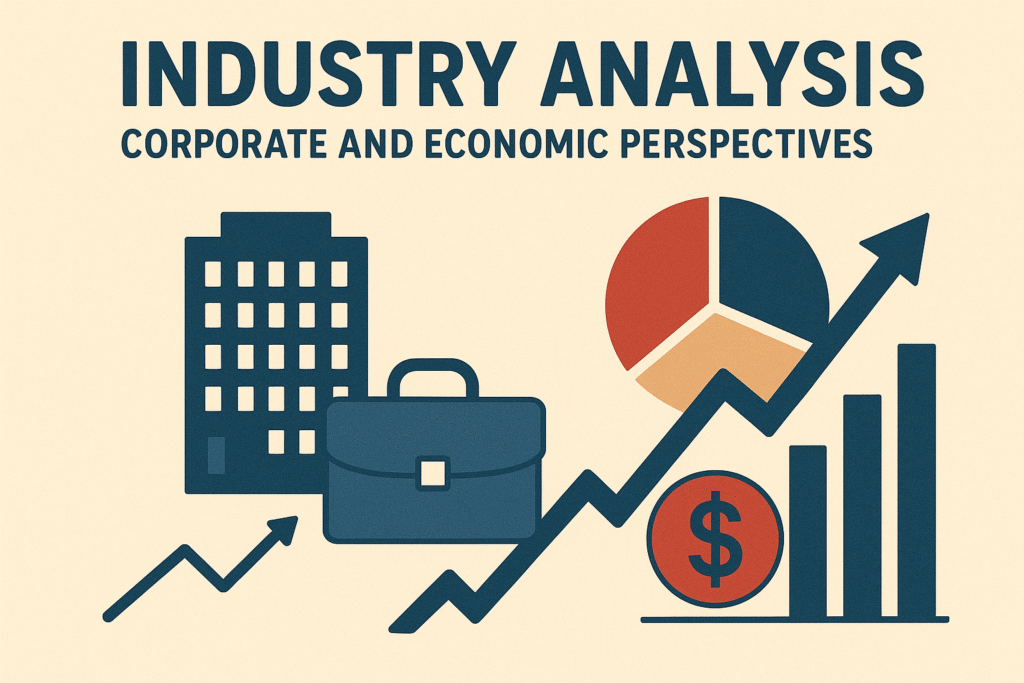
    Industry Analysis: Corporate and Economic Perspectives

    Pharmaceutical industry associations have welcomed the agreement’s certainty. The Association of the British Pharmaceutical Industry (ABPI) emphasized the importance of stable trade conditions. They noted that predictable market access is crucial for long-term research investment decisions. William Bain, Head of Trade Policy at the British Chambers of Commerce, stated the deal would “promote exports, boost investment, and enhance UK competitiveness.”

    Economic analysts highlight the agreement’s strategic timing. It precedes potential US tariff actions that could have triggered transatlantic trade disputes. By securing exemptions proactively, the UK avoids becoming entangled in broader trade conflicts. The deal also strengthens the UK’s position in ongoing domestic debates about medicine pricing and health technology assessment methodologies.

    Political Dimensions: Bilateral Relations and Domestic Politics

    Politically, this agreement reinforces the special US-UK economic relationship. It demonstrates continued close cooperation following Brexit. For the UK government, it represents a tangible post-Brexit trade achievement. It shows the ability to negotiate advantageous sector-specific agreements with major partners. Domestically, it allows Conservative ministers to showcase economic diplomacy, protecting key industries.

    In the United States, the deal allows the administration to claim progress on a persistent trade grievance. It achieves a policy objective regarding international drug pricing without requiring congressional approval. The agreement also mitigates risks of drug shortages or price spikes that could have resulted from disruptive tariffs. This balances trade objectives with healthcare market stability considerations.

    Implementation Timeline and Monitoring Mechanisms

    The agreement features specific implementation phases. The zero-tariff provisions take effect immediately upon signing. The UK’s increased NHS spending commitments will follow a graduated timeline. The price threshold adjustment occurs within the next fiscal year. The GDP spending targets extend across a ten-year horizon. A joint US-UK monitoring committee will oversee implementation.

    This committee will meet biannually to review compliance. It will assess tariff application, NHS spending data, and investment patterns. The agreement includes provisions for consultations if either party believes the other is not fulfilling commitments. However, it lacks specific financial penalties for non-compliance, relying instead on diplomatic resolution.

    Long-Term Strategic Implications and Future Scenarios

    This three-year agreement establishes an important precedent. It formally links international market access to domestic pharmaceutical pricing policies. This connection may become a standard feature of future US trade negotiations. For the UK, the deal provides breathing space to strengthen its life sciences sector. The government hopes this will attract sufficient investment to justify the increased NHS spending.

    Several future scenarios are possible. The agreement could be extended beyond three years if both parties remain satisfied. It could expand to cover medical devices and diagnostics. Alternatively, failure to increase UK investment could lead US officials to demand further concessions. The deal’s ultimate success will be measured by whether it stimulates genuine UK sector growth, not merely preserves existing trade flows.

    Industry Analysis: Corporate and Economic Perspectives
    Industry Analysis

    Conclusion: A Calculated Exchange with Lasting Consequences

    The US-UK pharmaceutical trade agreement represents a calculated strategic exchange. The United Kingdom accepts higher domestic healthcare expenditures to secure vital export market access. The United States achieves a longstanding goal of increasing allied contributions to pharmaceutical innovation costs. The deal provides immediate stability for a crucial British industry. However, it commits the NHS to spending increases during a period of severe budgetary constraints.

    This pact will influence global pharmaceutical trade for years. It establishes a new linkage between trade policy and health financing. Other nations will carefully study its effects on drug prices, innovation, and investment. The agreement’s true legacy will be determined by whether it fosters a more sustainable global model for financing medical innovation. It must balance fair pricing with continued breakthroughs in treatments for patients worldwide. The coming three years will provide critical evidence about whether this balance has been achieved.

    SEE MORE:

    https://ayeshanarratives.com/cryptocurrency-2025-navigating-the-next-wave-of-digital-finance/
    https://ayeshanarratives.com/us-emerges-as-primary-recipient-of-chinese-credit-in-global-lending-shift-study/
  • Internal Meta Research Allegedly Confirmed Causal Link Between Instagram, Facebook, and Harm to Mental Health, Court Documents Show

    Internal Meta Research Allegedly Confirmed Causal Link Between Instagram, Facebook, and Harm to Mental Health, Court Documents Show

    Newly unsealed legal filings in a massive lawsuit against social media giants allege that Meta executives knowingly suppressed internal research, dubbed “Project Mercury,” which provided causal evidence that deactivating Facebook led to significant improvements in user well-being, including reduced depression and anxiety.

    Internal Meta Research Allegedly Confirmed Causal Link Between Instagram, Facebook, and Harm to Mental Health, Court Documents Show
    Internal Meta Research and Mental Health Harm
    • Meta Lawsuit
    • Social Media Mental Health
    • Project Mercury
    • Facebook Depression
    • Instagram Anxiety
    • Teen Mental Health Crisis
    • Social Media Addiction

    In a development that could reshape the global conversation around social media and mental health, a US court has unsealed filings that paint a damning picture of corporate secrecy within Meta Platforms, Inc. The documents, part of a sprawling class-action lawsuit, allege that the company behind Facebook and Instagram obtained definitive, causal evidence of its products’ harm to user well-being and intentionally chose to bury the findings, halt further research, and publicly downplay the risks.

    The case, brought by the law firm Motley Rice on behalf of hundreds of school districts across the United States, accuses Meta, along with Google (YouTube), TikTok, and Snapchat, of creating a youth mental health crisis through the design of their addictive platforms. While the suit targets multiple companies, the most severe and detailed allegations, supported by internal company communications, are levelled at Meta.

    Project Mercury: The Study That Found a Smoking Gun

    The core of the allegation against Meta revolves around an internal research initiative from 2020, code-named “Project Mercury.” According to the court filings, Meta scientists collaborated with the renowned survey firm Nielsen to conduct a rigorous study. The goal was to move beyond correlational data and establish a causal relationship between social media use and mental health.

    The methodology was straightforward: Researchers measured the psychological state of users who deactivated their Facebook and Instagram accounts for a period of one week against a control group that continued using the platforms.

    The results, as described in the internal Meta documents, were stark and, for the company, deeply unsettling. Participants who took a break from Facebook reported “lower feelings of depression, anxiety, loneliness, and social comparison.” This was not merely an observation; the study’s design was intended to show that stopping use directly caused these improvements in well-being.

    An internal message from a Meta researcher to then-Head of Global Affairs, Nick Clegg, succinctly captured the finding: “The Nielsen study does show causal impact on social comparison,” accompanied by an unhappy face emoji.

    Smoking Gun

    Alleged Corporate Cover-Up: From Validation to Suppression

    The court filings allege that instead of publishing these critical findings or using them to inform safer product design, Meta’s leadership moved to suppress them. Publicly, the company allegedly dismissed the “Project Mercury” results. Internally, they reportedly claimed the study was tainted by the “existing media narrative” around the company, suggesting that participants’ expectations, rather than the platform itself, skewed the results.

    However, the unsealed documents suggest this public stance was at odds with private acknowledgments. Staffers reportedly assured Nick Clegg that the study’s conclusions were methodologically sound. The gravity of the situation was not lost on some employees. In a chilling comparison cited in the filing, one staffer expressed grave concern, writing that withholding such damaging internal research was akin to the “An internal memo revealed that a Meta employee drew a direct parallel to the tobacco industry, noting the similarity in knowing a product was harmful yet choosing to conceal that information.”

    This allegation forms the basis for the plaintiffs’ claim that Meta engaged in a deliberate campaign of deception. Despite possessing internal causal data, the company reportedly told Congress it could not quantify whether its products were harmful to teenage girls—a statement the lawsuit frames as knowingly false.

    A Pattern of “Designed Negligence” in Youth Safety

    The allegations extend far beyond the suppression of a single study. The lawsuit outlines a systematic pattern where Meta executives allegedly prioritized user growth and engagement over the safety and well-being of its youngest users. The internal documents, as presented by the plaintiffs, claim:

    Ineffective by Design: Meta intentionally designed its youth safety features to be hard to find and rarely used. The company allegedly blocked the testing of more robust safety tools out of fear that they would reduce user engagement and slow growth.

    Dangerous Tolerance for Predators: In a particularly alarming claim, the filings state that Meta’s policy required a user to be caught 17 separate times attempting to traffic people for sex before being removed from the platform. An internal document reportedly described this as a “very, very, very high strike threshold.”

    Profiting from Harmful Content: Meta leadership allegedly recognized that its algorithms, optimized for maximum teen engagement, inevitably served users more harmful and extreme content. The suit claims the company made a conscious decision to continue this practice.

    Leadership Indifference: The lawsuit points to a 2021 text message from CEO Mark Zuckerberg himself, in which he reportedly stated that child safety was not his top concern, as he was more focused on other areas like “building the metaverse.” It is also alleged that he shot down or ignored requests from Nick Clegg to increase funding for child safety initiatives.

    Broader Industry Allegations and Meta’s Defense

    The lawsuit also makes claims against other platforms, though with less specific documentary evidence. It alleges that TikTok, Google, and Snapchat similarly concealed the risks of their products and engaged in marketing to children under 13. One notable allegation is that TikTok sponsored the National PTA and then internally boasted about its ability to influence the organization, with an official claiming the PTA would “do whatever we want.”

    In response to the filings, Meta spokesman Andy Stone issued a vigorous denial. He stated that the “Project Mercury” study was halted due to flawed methodology and reaffirmed Meta’s commitment to teen safety. “The full record will show that for over a decade, we have listened to parents, researched issues that matter most, and made real changes to protect teens,” Stone said. He dismissed the plaintiffs’ claims as relying on “cherry-picked quotes and misinformed opinions,” and maintained that the company’s youth safety tools are “broadly effective.”

    Internal Meta Research Allegedly Confirmed Causal Link Between Instagram, Facebook, and Harm to Mental Health, Court Documents Show
    Broader Industry Allegations and Meta’s Defense

    The unsealing of these documents marks a critical juncture in the legal battle against Big Tech. Meta has filed a motion to strike the documents from the record, arguing that the plaintiffs are seeking to make public an overbroad set of internal communications. A hearing on the matter is scheduled for January 26 in a Northern California District Court.

    The outcome of this case has the potential to force unprecedented transparency upon the social media industry. For parents, educators, and policymakers, the allegations confirm their worst fears: that the companies shaping modern childhood may have known about the profound harms of their products all along and chosen, in the pursuit of profit, to look the other way. The case is no longer just about whether social media is harmful, but whether its largest players deliberately concealed that harm—a legal and ethical charge that echoes some of the most consequential corporate accountability battles in history.

    READ MORE:

    https://ayeshanarratives.com/malaysia-to-ban-social-media-for-under-16s-from-2026-in-child-safety-push/
    https://ayeshanarratives.com/instagram-shows-harmful-content-to-vulnerable-teens/
  • Trump Administration Reverses Course: Sweeping Tariff Exemptions Granted for Essential Food Imports Amid Soaring Inflation

    Trump Administration Reverses Course: Sweeping Tariff Exemptions Granted for Essential Food Imports Amid Soaring Inflation

    • Trump tariffs, food tariffs
    • Import tariffs
    • Grocery prices
    • Inflation, Consumer prices
    • Trade deficit, Executive order
    • Supply chain, US economy
    • Food imports, Coffee prices
    • Beef prices, Avocado prices
    • Tariff rebate, US trade policy

    A Concession to Economic Reality

    In a striking reversal of his long-standing trade policy, President Donald Trump has signed an executive order rolling back tariffs on a wide array of food products, from daily staples like coffee and bananas to specialty items like vanilla beans and saffron. This decision, announced by the White House on Friday, signals a recognition that the administration’s aggressive tariff strategy has contributed to the rising cost of living for American families—a concern the President had previously dismissed.

    The move comes on the heels of a disappointing performance for the Republican Party in the midterm elections, where economic anxiety and the pinch of inflation emerged as central issues for voters. Facing mounting pressure, the administration is now taking tangible steps to alleviate price pressures at the checkout counter, directly contradicting its earlier assurances that the tariffs would not impact US consumers.

    The list of exemptions is extensive, covering more than 100 products that the administration itself admits “cannot be produced in sufficient quantities domestically.” This includes everything from the acai in your morning smoothie to the cashews in your stir-fry, highlighting the profound reliance of the American diet on global supply chains.

    Trump tariffs, food tariffs, import tariffs
    “Trump tariffs”

    The Complete List: What’s Getting Cheaper?

    The White House released a detailed list of products now exempt from the baseline 10% tariff and other additional levies. This policy change is retroactive, taking effect at midnight on Thursday, November 13th. For consumers, this should soon translate to lower prices on a host of everyday and specialty items.

    Key categories and items include:

    Beverage Staples: Coffee (both beans and instant), black tea, and green tea.

    Meat Products: A wide range of beef products, including high-quality cuts like filet mignon and ribeye, bone-in and boneless cuts, corned beef, certain frozen items, and salted, brined, dried, or smoked beef.

    Popular Fruits: Avocados, bananas, coconuts, guavas, limes, oranges, mangoes, plantains, pineapples, and various peppers and tomatoes.

    Essential Spices and Flavorings: Vanilla beans, allspice, bay leaves, cardamom, cinnamon, cloves, coriander seeds, cumin seeds, curry powder, dill, fennel seeds, ginger, mace, nutmeg, oregano, paprika, saffron, and turmeric.

    Nuts, Grains, and More: Brazil nuts, cashews, chestnuts, macadamia nuts, pine nuts, poppy seeds, barley, miso, palm hearts, tapioca, taro, and water chestnuts.

    This broad exemption list underscores a critical point: the modern American pantry is inherently global. While “Buy American” is a powerful political slogan, the reality is that many of these foods simply cannot be sourced in meaningful quantities within US borders, making tariffs on them purely a tax on consumption.

    The Political Pivot: From “Con Job” to Price Control

    President Trump’s approach to the economic impact of his tariffs has undergone a dramatic evolution. For months, he and his advisors downplayed concerns from economists and business leaders, insisting that the taxes on imports would be borne by foreign companies and governments, not American consumers. The President even went so far as to call affordability a “new word” and a “con job” orchestrated by Democrats to undermine his economic agenda.

    His core argument remained fixed on reducing the US trade deficit—the difference between what the country imports and exports. He repeatedly framed the tariffs as a necessary defense against foreign “cheaters” who had “pillaged” American wealth, asserting that higher costs on foreign goods would incentivize consumers and businesses to buy American.

    However, the political winds shifted decisively after the recent elections. The rising cost of groceries, and beef in particular, became a potent vulnerability. In a clear attempt to address this, last week the President called for an investigation into the meat-packing industry, accusing companies of “illicit collusion, price fixing, and price manipulation.” This week’s tariff exemptions are a parallel, and more direct, admission that policy itself is a contributing factor to inflation.

    cost of living
    US trade policy

    Economic Warnings Become Political Reality

    For over a year, economists from across the ideological spectrum have issued consistent warnings: tariffs are a tax that ultimately gets passed down the supply chain, resulting in higher prices for end consumers. Companies facing higher costs for imported raw materials and finished goods have little choice but to absorb the losses (hurting their profitability and potentially leading to job cuts) or raise prices for their customers.

    The latest inflation data from the Department of Labor for September showed that while overall inflation was milder than some forecasts, the trend was unmistakably upward. Grocery prices, in particular, were up 2.7% compared to the previous year, a tangible increase that households feel with every trip to the supermarket.

    The administration’s reversal validates these economic predictions. By selectively rolling back the tariffs, the White House is attempting to surgically reduce inflation in specific categories, providing immediate, visible relief to voters. On Friday, President Trump clarified that the rollback targeted specific food items, such as coffee, anticipating that the move would swiftly bring down their currently high prices.

    President Trump explained to reporters that the policy change was a targeted effort to reduce costs on goods like coffee, predicting a significant price drop in the near future.

    Broader Trade Strategy and Future Implications

    The food tariff exemptions are not happening in a vacuum. In a related move to address consumer costs, the administration also announced that import taxes on coffee and bananas would be lowered as part of new trade deals with four Latin American countries. This targeted approach suggests a more nuanced, if reactive, trade strategy is emerging.

    Treasury Secretary Scott Bessent joined the President in vowing to decrease coffee prices by a significant 20% in the US this year—an ambitious goal that this policy change is clearly designed to achieve.

    Yet, this pivot raises questions about the future of the administration’s broader trade agenda. The President has been a fervent advocate for the tariffs, even proposing to send $2,000 tariff rebate cheques to Americans as a way to rally support, a move that is itself under legal scrutiny by the US Supreme Court. The Court is currently weighing whether the President had the legal authority to implement the tariffs in the first place.

    When asked if more policy rollbacks should be expected, Trump was cautiously optimistic, stating, “I don’t think it’ll be necessary.” This suggests that the administration views the food exemptions as a sufficient measure to quell public discontent without abandoning its protectionist principles entirely. However, if inflation persists or widens into other sectors of the economy, further reversals may become politically unavoidable.

    Economic Warnings Become Political Reality
    “US economy”

    Conclusion: A Temporary Fix or a New Direction?

    The decision to exempt dozens of food products from tariffs is a definitive moment in the Trump administration’s economic policy. It marks a concession to the undeniable forces of economics and political accountability. For American consumers and businesses, it promises welcome relief from escalating costs on essential food items.

    However, the move also highlights the inherent tension in using blanket tariffs as a tool of economic statecraft. While intended to protect domestic industries and correct trade imbalances, they often function as a regressive tax that disproportionately affects lower and middle-income families. This rollback acknowledges that reality.

    As the holiday season approaches, the success of this policy will be measured at the grocery store checkout. If prices for coffee, beef, and produce indeed fall, the administration will have secured a political win. But the longer-term question remains: is this a one-off correction, or the beginning of a broader reassessment of a trade war that has left deep marks on the global economy and the American wallet? Only time, and the next inflation report, will tell.

    READ MORE:

    https://ayeshanarratives.com/pakistan-and-imf-consider-tax-hikes-on-solar-panels-and-internet-services/
    https://ayeshanarratives.com/what-are-the-new-strategies-for-dropshipping-success-in-2025/